
When Motherhood Feels Nothing Like You Expected
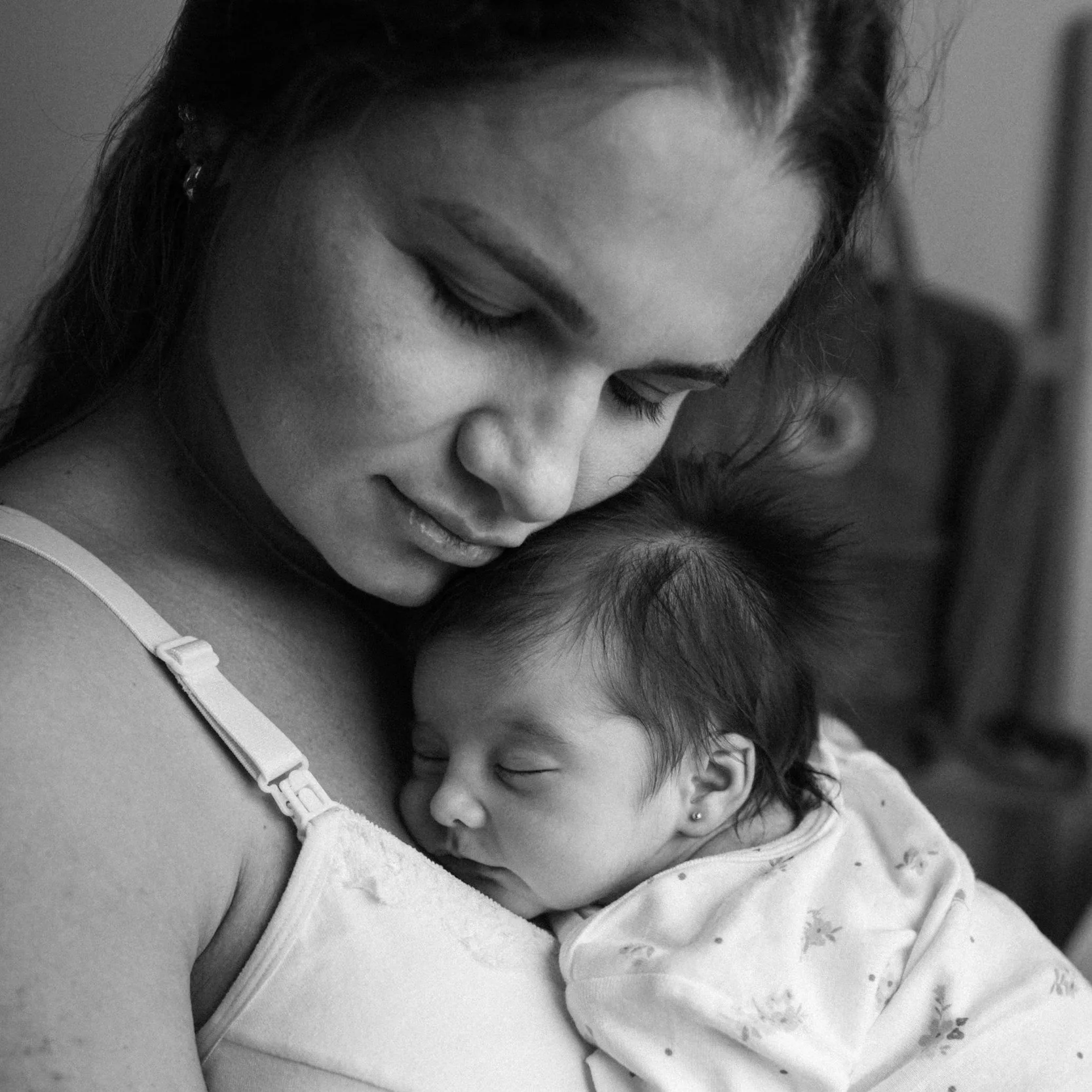
A guide to navigating uncertainty, letting go of perfection, and finding compassion for yourself in the middle of it all
Nobody tells you about the moment you get home from the hospital and realize no one is coming to tell you what to do next.
The books are on the shelf. The nursery is ready. And you are standing in the middle of your own life wondering why this feels so much harder and stranger and more overwhelming than you expected.
That is not a sign that something is wrong with you. That is the transition to motherhood. And it is one of the most disorienting experiences a person can go through.
The Challenge of Uncertainty
No matter how many books you read, classes you took, or conversations you had with other moms, nothing fully prepared you for what it actually feels like to be in it.
The uncertainty can show up as anxiety about whether you're doing it right. As self-doubt when your baby won't stop crying and you don't know why. As a quiet, unsettling feeling that you have lost something, even as you have gained everything.
None of that means you are failing. It means you are human, navigating something genuinely new.
Compassion as a Compass
Self-compassion in motherhood doesn't mean lowering your standards or not caring. It means talking to yourself the way you would talk to a friend who is struggling.
It means noticing when your inner critic gets loud and asking: would I say this to someone I love?
It means replacing "I should have known better" with "I am learning as I go. That is enough."
Instead of expecting perfection, compassion encourages patience, forgiveness, and gentleness toward yourself. This approach nurtures emotional resilience and allows you to navigate motherhood with grace.
Reframing Expectations
Many mothers arrive in the postpartum period carrying a picture in their mind of what this was supposed to look like. The calm birth. The baby who sleeps. The version of themselves who handles it all with grace.
And then reality arrives. Messy and loud and nothing like the picture.
That gap between expectation and reality is one of the most common sources of suffering in new motherhood. Not because something went wrong, but because the expectations were never realistic to begin with.
Letting go of the picture doesn't mean giving up. It means making room for the actual, imperfect, beautiful thing that is happening instead.
How Therapy Can Support You
Therapy during the transition to motherhood is not just for crisis. It is for the mom who feels lost, overwhelmed, or disconnected from herself. The mom who loves her baby and is still grieving who she used to be. The mom who is doing everything right and still feels like it isn't enough.
In perinatal therapy, we create space for all of it. The joy and the grief. The love and the resentment. The certainty and the doubt.
Together we work on understanding where the pressure is coming from, developing tools for anxiety and self-criticism, and rebuilding your sense of self in this new season of life.
Moving Forward with Grace
The transition to motherhood is not about having all the answers—it’s about learning to be with yourself in the unknown. By embracing uncertainty and practicing self-compassion, you can move forward with greater peace, strength, and openness. Your journey is uniquely yours, and you deserve to walk it gently, bravely, and beautifully.
At Braving Motherhood, we support mothers through the transition to parenthood, the uncertainty, the identity shifts, and the quiet hard parts that don't always have a name.
Virtual therapy is available throughout Illinois. A free consultation is a gentle place to start.
